Most people don’t think about toilet paper until something goes wrong.
From a plumber’s perspective, the wrong toilet paper is one of the most common causes of clogs, slow drains, and septic issues.
If you want to avoid expensive plumbing calls, here’s exactly what professionals look for—and what you should avoid.
What Plumbers Actually Look for in Toilet Paper
Plumbers don’t care about branding. They care about how toilet paper behaves after you flush it.
The three things that matter most:
- How fast it breaks down
- What it’s made from
- What’s added to it
If toilet paper doesn’t break apart quickly, it doesn’t disappear—it builds up. Over time, that leads to blockages, especially in septic systems and RV tanks.
The “Breakdown Test” Framework (How to Tell If TP Is Safe)
Here’s a simple way to think about plumber-approved toilet paper.
Step 1: Dissolvability
Toilet paper should start breaking apart within seconds in water.
If it stays intact, it’s more likely to cause buildup. This is the same issue behind toilet paper not dissolving in RV tanks.
Step 2: Fiber Type
Short, natural fibers (like bamboo) break down faster.
Long, processed fibers (used in ultra-soft paper) hold together longer.
Step 3: Additives and Chemicals
Lotions, fragrances, and softening agents slow down breakdown.
These extras may feel better—but they increase the risk of clogs.
Toilet Paper Types Plumbers Warn Against
Plumbers consistently see issues with:
- Ultra-soft “luxury” toilet paper
- Multi-ply (3–4 ply) products
- Lotion-infused or scented paper
These products are designed to stay strong—not dissolve.
That’s exactly why they contribute to RV septic problems caused by toilet paper.
Why “Soft and Thick” Can Be a Plumbing Risk
There’s a tradeoff most people don’t realize:
The stronger the paper, the slower it breaks down.
Think of it like paper towels vs tissue.
Paper towels are strong—but you wouldn’t flush them.
Some premium toilet papers behave closer to paper towels than you’d expect.
Septic Systems vs City Sewer: Does It Change What You Should Buy?
Yes—but not as much as people think.
- City sewer systems can handle more variation
- Septic systems rely on natural breakdown
If you’re on septic, your margin for error is smaller.
Understanding how septic systems actually handle toilet paper helps explain why fast-dissolving paper matters.
And if you want the full breakdown process, here’s what actually happens to toilet paper in a septic tank.
Real-World Example: What Causes Most Toilet Paper Clogs
A typical clog scenario looks like this:
- Household switches to ultra-soft toilet paper
- Pipes are slightly older or narrower
- Paper doesn’t fully break down
- Buildup starts in bends or low-flow areas
Eventually, one flush pushes everything into a full blockage.
This is why many plumbers ask what brand of toilet paper you’re using before anything else.
Quick Checklist: How to Choose Plumber-Approved Toilet Paper
Use this before buying:
- Breaks down quickly in water
- No lotions or added chemicals
- 1–2 ply instead of 3–4 ply
- Made from fast-dissolving fibers (like bamboo)
- Labeled septic-safe (but still verify)
If it doesn’t meet these, it’s a risk—especially long term.
Why Bamboo Toilet Paper Is Often Recommended
Bamboo toilet paper checks the boxes plumbers care about:
- Naturally shorter fibers → faster breakdown
- No need for heavy chemical processing
- Strong enough for use, but not resistant to water
It also aligns with sustainability standards, which you can see in what makes toilet paper sustainable.
And beyond plumbing benefits, there are practical reasons behind the benefits of bamboo toilet paper.
FAQ
What toilet paper do most plumbers recommend?
Simple, fast-dissolving, septic-safe toilet paper without additives.
Is septic-safe toilet paper always safe?
Not always. Some still break down slowly. Check real-world performance, not just labels.
Can regular toilet paper cause plumbing issues?
Yes—especially in septic systems or RVs. Here’s more on can you use regular toilet paper in an RV.
Is bamboo toilet paper better for plumbing?
In most cases, yes—because it breaks down faster and contains fewer additives.
Final Recommendation
If you want to avoid clogs, backups, and septic issues, focus on one thing:
How fast your toilet paper disappears after you flush it.
That’s what plumbers care about—and it’s what actually protects your system.
If your current toilet paper stays intact in water, it’s only a matter of time before it causes problems.
Switching to a fast-dissolving option like bamboo isn’t just a preference—it’s prevention.
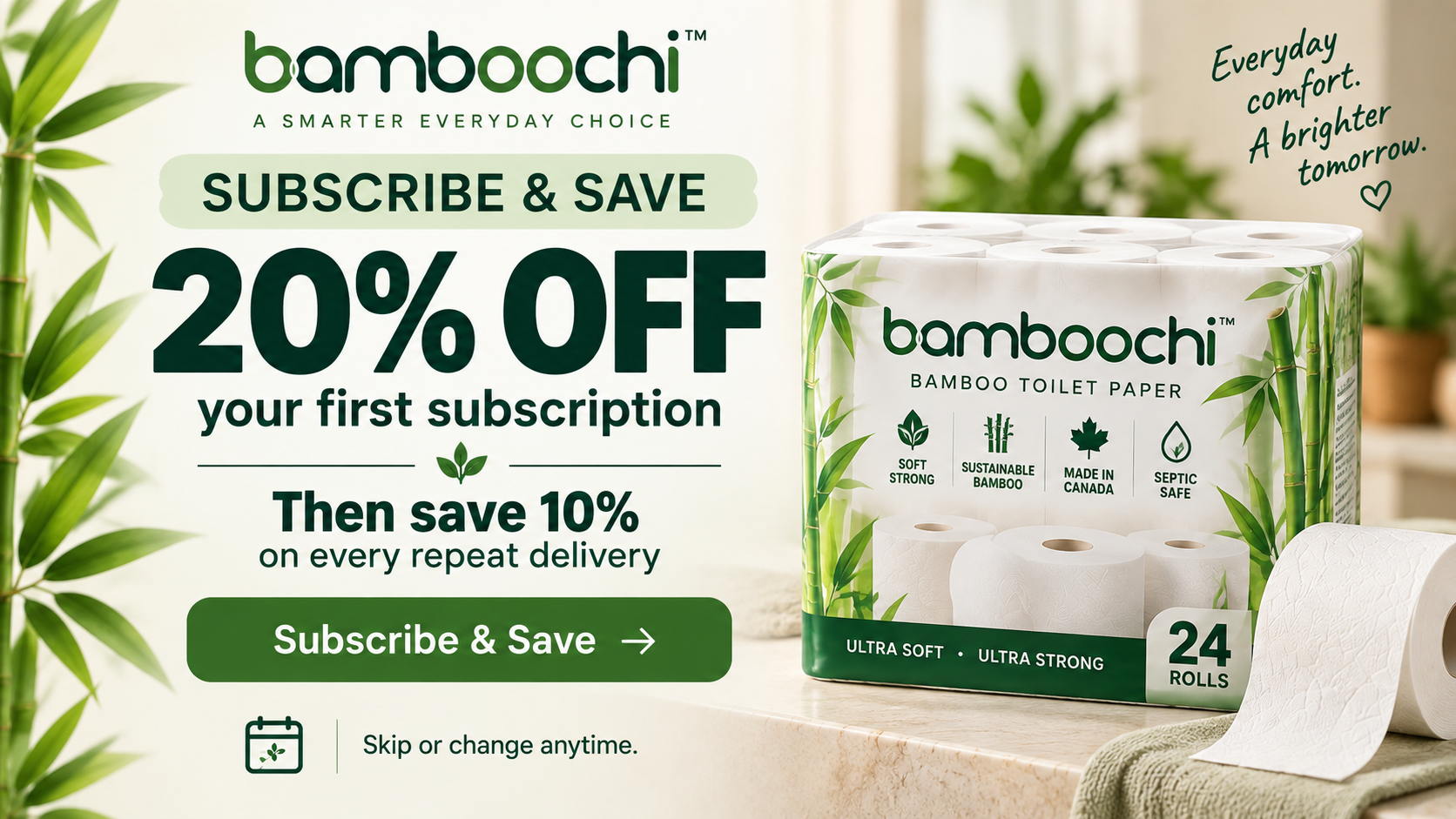
If you’re looking for a toilet paper that meets these plumber-recommended criteria, Bamboochi bamboo toilet paper is designed for fast breakdown, septic safety, and everyday use without added chemicals.
👉 View Bamboochi Bamboo Toilet Paper