Septic-Safe Bamboo Toilet Paper for RV Septic Tanks
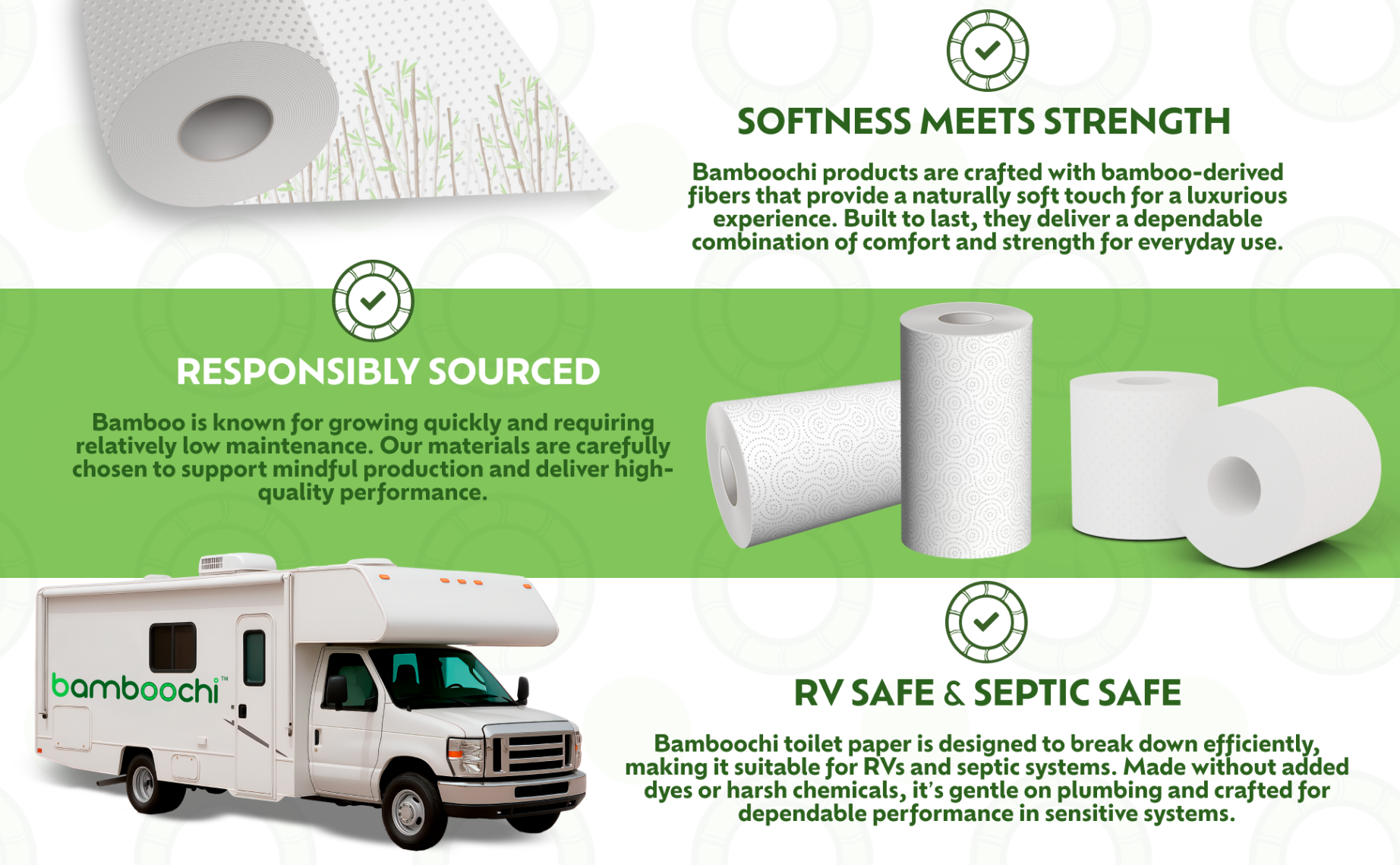
Bamboo toilet paper designed specifically for RV septic tanks and holding systems. Made from unbleached bamboo, this toilet paper is chlorine-free, non-toxic, and fast-breaking, helping reduce the risk of clogs and buildup in RV septic tanks.
Strong enough for everyday use while breaking down efficiently, it’s a reliable option for RV owners who need toilet paper that works with sensitive septic systems without harsh chemicals.
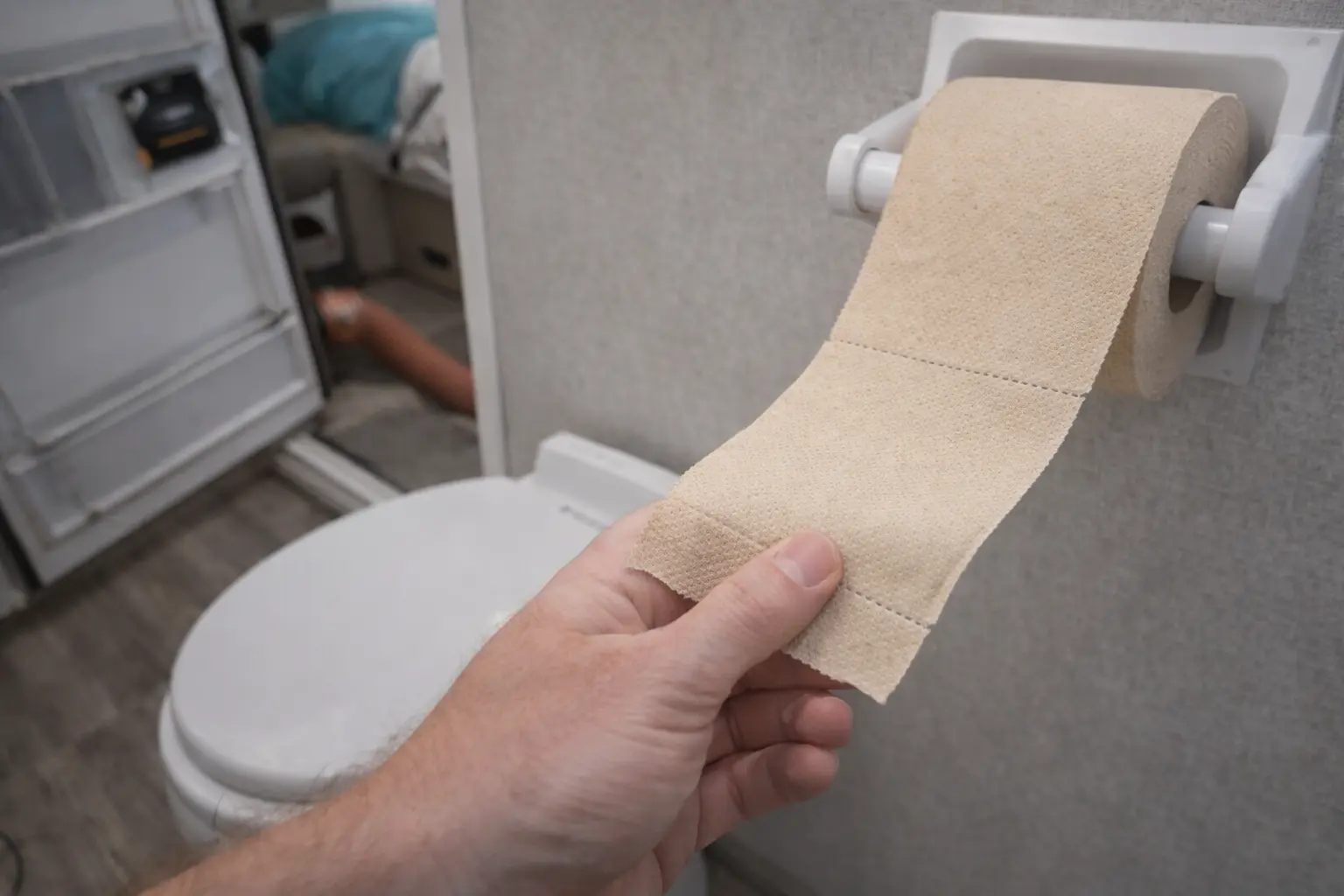
Fast-Breaking Fibres
Breaks down quickly to help reduce clogs and buildup in RV septic tanks and holding systems.
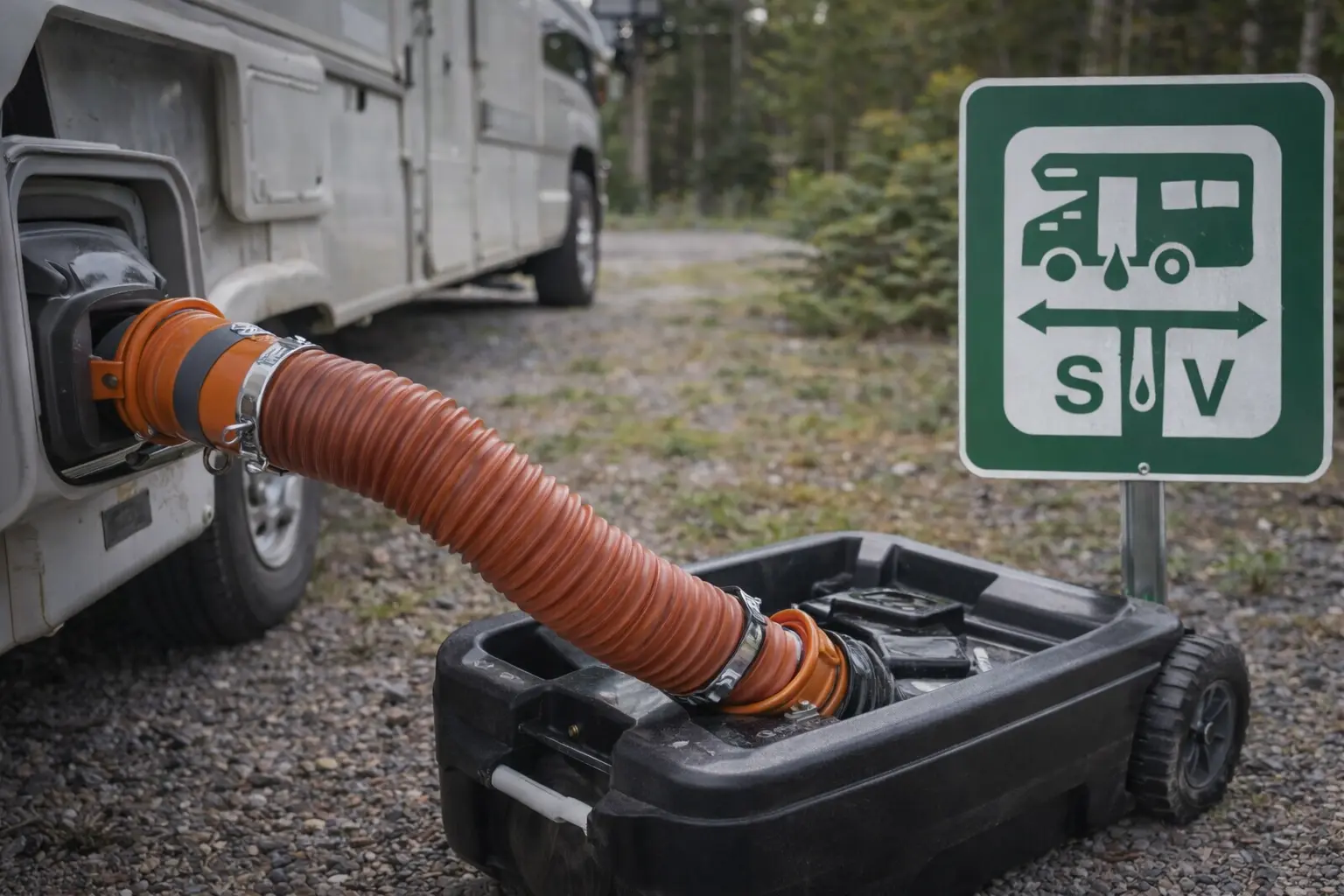
Septic-Safe by Design
Designed to be compatible with RV septic systems without relying on harsh chemicals or additives.
No Harsh Chemicals
Made from unbleached bamboo with no chlorine, dyes, or unnecessary chemicals.
Designed for RV Septic Systems
Built to work with sensitive RV holding tanks and plumbing.
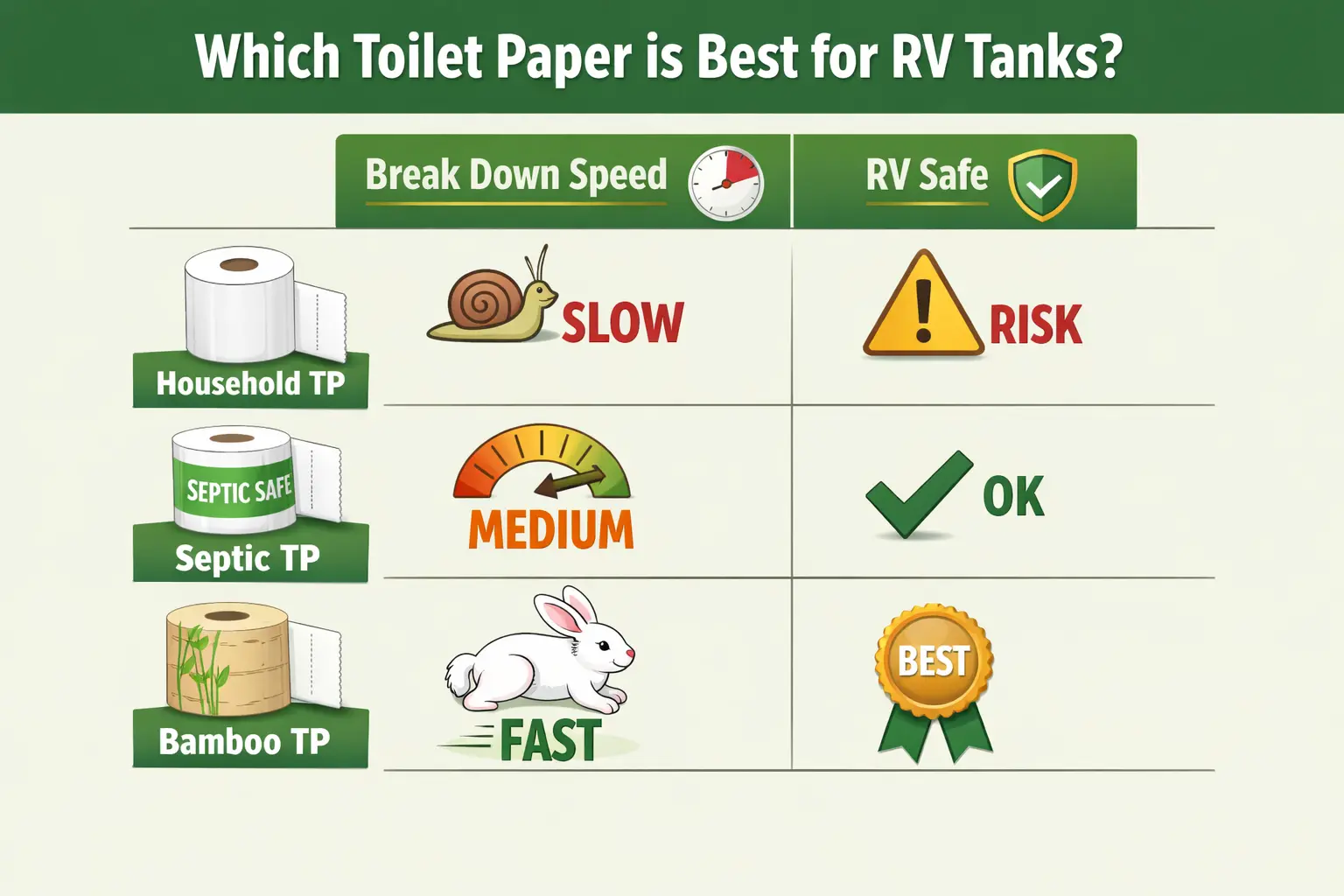
Why RV Septic Tanks Need Fast-Breaking Toilet Paper
RV septic tanks and holding systems operate differently than residential septic systems. Limited water usage, smaller tank capacity, and onboard plumbing make RV systems more sensitive to paper buildup and residue. Toilet paper that breaks down quickly helps reduce the chance of clogs, sensor interference, and tank buildup during travel or extended stays.
Unbleached bamboo fibres break apart faster than conventional paper, without relying on added chemicals. This makes them well suited for RV septic tanks where flow, space, and breakdown speed matter more than bulk flushing volume.
RV Septic Tank Toilet Paper That Breaks Down Safely
RV septic systems operate very differently than residential plumbing. The holding tanks used in RVs have limited water capacity, smaller pipes, and shorter waste flow distances. Because of these constraints, toilet paper must break apart quickly to avoid clogs, buildup, and inaccurate tank sensors.
Standard household toilet paper is designed for strength and durability, which means it can stay intact longer in low-water environments. In RV black tanks, this durability often causes paper to accumulate instead of breaking down.
Septic-safe bamboo toilet paper is designed with fast-separating fibers that disintegrate more quickly when exposed to water and movement inside RV tanks. This helps reduce buildup while still providing strength during everyday use.
For RV owners who travel frequently or rely on their onboard systems for extended stays, choosing the right toilet paper can significantly reduce maintenance problems.
Why RV Septic Tanks Need Fast-Dissolving Toilet Paper
RV waste systems rely on gravity and limited water flow, not the large flushing volumes found in residential toilets.
Three factors make RV systems sensitive to toilet paper buildup:
1 Limited Water Use
Most RV toilets use only a small amount of water per flush. Less water means paper must break apart quickly to move through the system.
2 Smaller Tank Capacity
RV black tanks typically hold 20–40 gallons, much less than residential septic systems.
Because the tank fills quickly, paper accumulation can interfere with waste flow and tank sensors.
3 Narrow Plumbing
RV plumbing lines are narrower than standard household pipes. Toilet paper that remains intact can catch inside these pipes, especially during partial flushes.
Using fast-breaking toilet paper helps prevent these issues by allowing paper fibers to separate before they accumulate inside the tank.
How RV Black Tanks Actually Work
Understanding how RV septic tanks function explains why toilet paper choice matters.
Step 1 – Waste Enters the Black Tank
Each flush sends waste, water, and toilet paper directly into the black tank. Unlike residential plumbing, waste does not immediately flow into a sewer system.
Step 2 – Waste Settles
Inside the tank, materials separate into layers:
- solids settle at the bottom
- liquids remain in the middle
- floating debris rises to the top
Toilet paper should begin breaking apart as soon as it enters the tank.
Step 3 – Tank Storage
Waste remains inside the tank until it is dumped at an RV dump station. This storage period may last days or weeks during travel.
If toilet paper remains intact during this time, it can form clumps or “pyramids” that block the tank outlet.
Step 4 – Tank Dumping
When the tank valve is opened, gravity drains the tank through the RV sewer hose.
Paper that breaks apart flows out easily, while paper that remains intact may stay behind and accumulate over time.
What Happens to Toilet Paper Inside RV Holding Tanks
Toilet paper does not chemically dissolve in septic systems.
Instead, it disintegrates, meaning the fibers separate and disperse into smaller fragments.
Three factors determine how well toilet paper breaks apart:
Fiber Type
Short natural fibers separate faster than long processed fibers.
Bamboo fibers are naturally shorter and more brittle than many wood-pulp fibers, which allows them to break apart more easily.
Water Exposure
The more quickly paper absorbs water, the faster the fiber structure loosens.
Mechanical Movement
Tank movement during travel and normal flushing helps separate paper fibers further.
If toilet paper resists breaking apart, it can combine with waste and form large clumps that are difficult to drain from the tank.
Can You Use Regular Toilet Paper in an RV?
Many RV owners ask whether household toilet paper is safe to use.
Technically, some household toilet papers will eventually break down. However, many are engineered for softness and strength rather than fast disintegration.
This can cause problems such as:
- slower breakdown inside holding tanks
- clumping around tank sensors
- buildup in the tank bottom
- difficult tank drainage
For a deeper explanation of how household toilet paper behaves in RV systems, see Can You Use Regular Toilet Paper in an RV.
RV-safe toilet paper is specifically designed to separate quickly in low-water environments.
What Causes RV Tank Clogs
Toilet paper alone rarely causes clogs. Most problems occur when several factors combine.
Common causes of RV tank clogs include:
Insufficient water when flushing
Without enough water, paper cannot disperse properly.
Toilet paper that stays intact
Stronger paper can accumulate instead of breaking apart.
Extended storage in the tank
Waste sitting for long periods allows buildup to form.
Partial tank dumping
Dumping before the tank is mostly full can reduce flushing pressure.
Many RV clog problems are explained in detail in RV Septic Problems Caused by Toilet Paper.
Choosing fast-breaking toilet paper is one of the simplest ways to reduce these risks.
Best Toilet Paper for RV Tanks
The best toilet paper for RV tanks shares several characteristics:
Fast Fiber Separation
Paper should begin breaking apart within minutes of water exposure.
Chemical-Free Composition
Avoid dyes, chlorine bleaching, and unnecessary additives that may interfere with septic systems.
Strong but Lightweight Structure
Paper must remain strong during use but break down quickly once flushed.
Septic Compatibility
Toilet paper designed for septic systems typically uses fiber structures that separate more easily in water.
These characteristics help ensure paper moves through the tank and drains properly when the tank valve is opened.
Why Bamboo Toilet Paper Works Better in RV Tanks
Bamboo toilet paper offers several structural advantages for RV septic systems.
Natural Fiber Structure
Bamboo fibers are shorter and less dense than many processed wood pulp fibers. This allows them to separate faster in water.
Chemical-Free Processing
Unbleached bamboo paper avoids chlorine and harsh chemical treatments that may slow natural fiber breakdown.
Fast-Breaking Fiber Matrix
The fiber arrangement used in bamboo toilet paper allows sheets to maintain strength when dry but disperse quickly after flushing.
Because RV tanks rely on gravity and limited water flow, fast-breaking fibers reduce the risk of paper accumulation.
More about bamboo fiber benefits can be found in Benefits of Bamboo Toilet Paper.
RV Toilet Paper Dissolving Test
One simple way to evaluate toilet paper performance is the RV jar test.
Step 1
Fill a clear jar halfway with water.
Step 2
Add a few squares of toilet paper.
Step 3
Shake the jar for several seconds.
Step 4
Observe how quickly the paper breaks apart.
Toilet paper designed for RV systems should separate into small fibers quickly.
Paper that remains intact after shaking may also remain intact inside RV holding tanks.
Choosing Septic-Safe Toilet Paper for RV Travel
When selecting toilet paper for an RV, look for products that are specifically designed for septic compatibility.
Important factors include:
- rapid fiber separation
- minimal chemical processing
- biodegradable materials
- compatibility with low-water flushing systems
Bamboo toilet paper designed for RV septic tanks provides a balance between comfort and fast breakdown, helping reduce the risk of clogs and buildup.
FAQ: RV Septic Tank Toilet Paper
Does toilet paper dissolve in RV tanks?
Toilet paper does not dissolve chemically. Instead, it breaks apart into fibers that disperse in water.
How long does toilet paper take to break down in an RV tank?
Fast-breaking toilet paper can begin separating within minutes of water exposure, especially with tank movement during travel.
Is septic-safe toilet paper required for RVs?
While not required, septic-safe toilet paper reduces the chance of tank clogs and buildup.
What type of toilet paper is best for RV tanks?
Toilet paper designed for septic systems with fast-separating fibers is generally best.