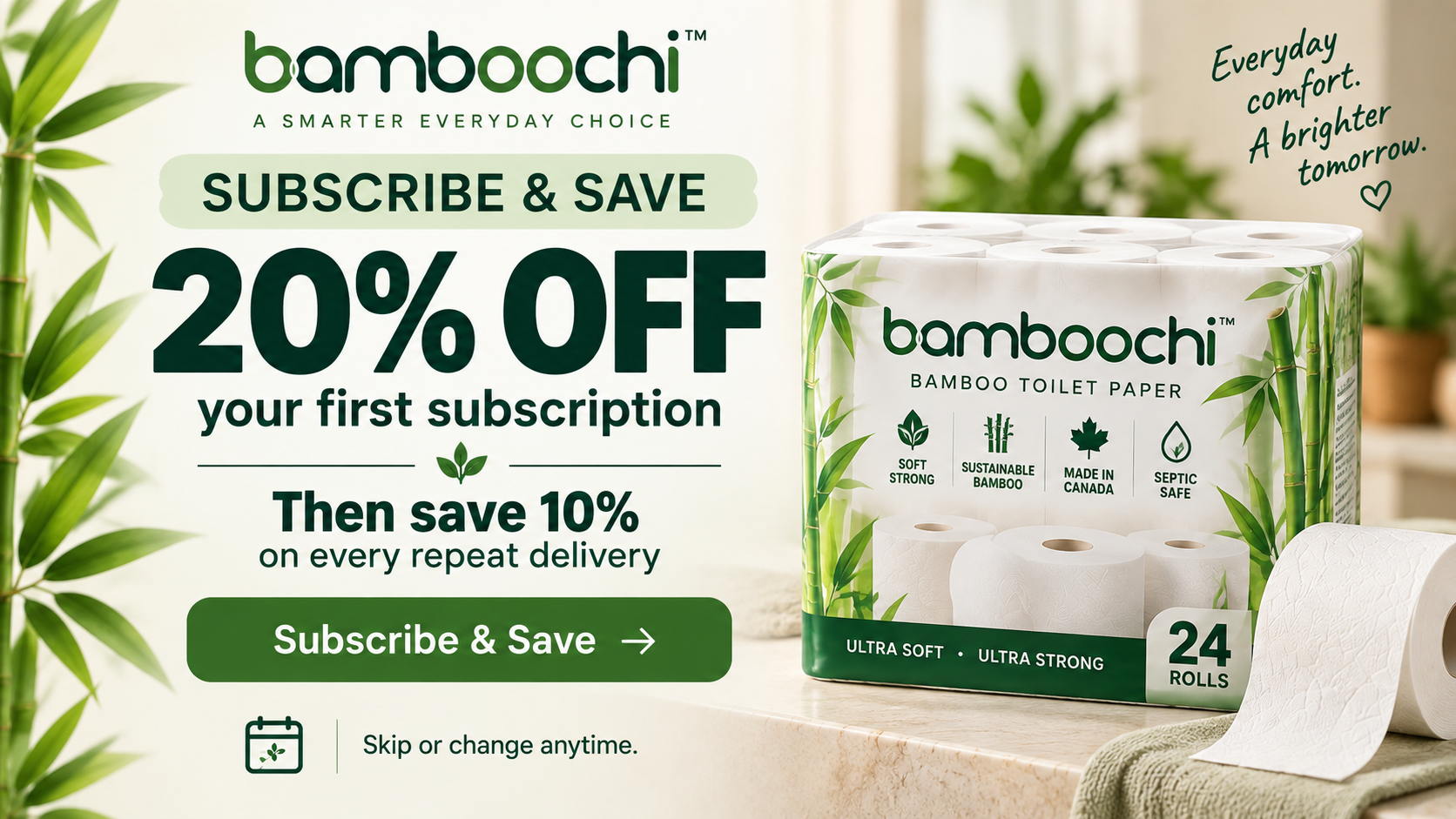
B2B buyers looking for sustainable toilet paper face a genuine dilemma: bamboo or recycled? The headlines are loaded with promises, but only a clear-eyed, practical perspective helps you choose what’s right for your business, tenants, or guests. Here’s what actually matters—and why Canadian businesses are starting to look past surface-level claims to see how bamboo and recycled paper each perform in the real world.
What Actually Affects Sustainability in Toilet Paper?
Not all “eco-friendly” toilet paper is created equal. Sustainability comes down to several measurable factors:
- Raw material sourcing: Bamboo is grown specifically for production and regenerates much faster than trees. Recycled paper uses post-consumer waste but often pulls from global recycling streams, which may be contaminated or require energy-intensive sorting and processing.
- Manufacturing process: Both kinds can be chlorine-free or use bleaches—check certifications, not just labels. Bamboo typically requires less water and produces less wastewater than traditional recycled mills.
- Transportation impact: Canadian-made bamboo (like Bamboochi) reduces global shipping emissions compared to imported recycled paper or bamboo products from overseas.
- Septic & plumbing compatibility: Both are usually softer and more dissolvable than standard pulp, but breakdown rates can vary. Testing actual product is essential. See our deep dive on what makes bamboo toilet paper stand out.
- Disposability & waste stream impact: Recycled toilet paper diverts waste from landfill. Bamboo paper isn’t recycled but compostable and naturally degrades efficiently.
Real sustainability is not about a single buzzword. It’s the sum of supply chain, product function, and end-of-life effects—especially as regulations and public expectations tighten for businesses and commercial facilities.
Scenario 1: Office Building with Heavy Restroom Traffic
You manage a downtown office tower. Washrooms service hundreds daily, with staff used to branded recycled paper. Your priorities: handling volume, keeping plumbing trouble-free, and meeting LEED/green certification requirements.
Switching to bamboo’s softer, stronger fibers reduces the chance of clogs compared to cheaper recycled toilet paper, which can be thin and leave behind dust or fragments. But recycled paper still scores points if your corporate policy rewards landfill diversion. The key difference: Many office managers discover bamboo’s rapid breakdown helps reduce plumbing calls, while the energy/resource use in recycled toilet paper can be less transparent the farther you go from the source.
Scenario 2: Boutique Hotel Prioritizing Guest Experience & Green Branding
Your boutique hotel thrives on rave reviews for eco-conscious luxury. You’ve tried recycled toilet paper, but guests complain about roughness or tearing. Meanwhile, your sustainability team wants proof that your new supplier walks the talk.
Bamboo’s softer feel (from longer fibers) and subtle texture elevate the in-room experience, winning over guests who expect comfort without compromise. Back-of-house, you confirm Canadian sourcing and can share responsible manufacturing stories with your marketing team. For the hotel segment, the guest-centered win and clear green story often lead to a switch from recycled or conventional paper to bamboo.
Scenario 3: Small Restaurant Balancing Budgets and Environmental Impact
You run a busy quick-serve spot. Speed matters, waste adds up, and cost control is critical. You’ve been using the generic recycled rolls from your wholesale supplier—until plumbing backups start costing more than the supposed paper savings.
Here, the “lowest price” recycled toilet paper sometimes lacks real environmental benefit—especially if poorly sourced (think: imported, low-post-consumer content, or frequent clog issues). A Canadian-made bamboo roll may seem more expensive, but breaks down faster and reduces maintenance calls. Your customers notice a subtle upgrade, and your accountant sees fewer service invoices.
Decision Frameworks: How Should B2B Buyers Choose?
You can only choose what you measure.
- If your highest priority is landfill diversion through recycled content → Then: Certified post-consumer recycled paper makes sense, but check for third-party verification and supplier transparency.
- If you want to minimize supply chain emissions and highlight Canadian sourcing → Then: Local bamboo options like Bamboochi’s stand out, with fewer shipping miles and fresher materials.
- If you’ve experienced plumbing or guest complaints → Then: Test bamboo’s breakdown speed and softness in your most high-traffic restrooms. See how plumbing systems handle different papers.
- If your biggest risk is greenwashing or supplier claims → Then: Ask for Canadian certifications, clear ingredient disclosure, and waste management facts before switching suppliers.
Mistakes & Misconceptions
- “Recycled is always the greenest.” Many recycled toilet papers are made in overseas mills with high energy and water footprints. Not all “recycled” claims guarantee sustainable sourcing or reduced emissions.
- “Bamboo is just a trend.” Bamboo has decades of use in Asia-Pacific markets and is gaining traction among North American B2B buyers because of its rapid renewability and soft feel—not hype.
- “Any eco-friendly toilet paper won’t clog plumbing.” Some recycled rolls—especially very cheap ones—leave behind more dust and residue than well-made bamboo paper. The result: increased plumber visits, especially in older facilities. Review our breakdown of what actually makes toilet paper sustainable.
- “Imported is fine if it’s labeled ‘green.’” Transportation emissions and lack of supplier oversight undercut many environmental claims. Canadian sourcing makes end-to-end responsibility easier to document and audit.
FAQ: Bamboo vs Recycled Toilet Paper
Is bamboo toilet paper really better for Canadian businesses?
If you want a product with rapid renewability, reliable breakdown, and the option to buy Canadian, bamboo is a strong match. For businesses focused specifically on landfill diversion, recycled paper can still make sense—but the details matter. Choose based on what fits your company’s sustainability goals and guest preferences.
How does softness compare—will guests or tenants notice?
Most users will notice the longer, silkier fibers in bamboo paper right away. Recycled paper has improved, but at equal price points, bamboo feels softer. In high-touch environments (hotels, spas), it matters more.
Is bamboo or recycled paper more septic-safe?
Both tend to dissolve faster than conventional wood pulp. Real-world testing often shows bamboo breaking down fastest. Review our guide on bamboo vs regular paper for septic systems.
What certifications should I look for?
Seek out recognized Canadian/third-party labels confirming post-consumer content (for recycled), and chemical/process transparency (for both). Avoid vague green branding without actual documentation or batch-level traceability.
Can I compost bamboo toilet paper?
Bamboo is fully compostable and degrades naturally in most commercial waste streams—an excellent fit for kitchen and restroom compost bins.
Does choosing Canadian-made really matter?
Canadian-made products mean less transportation emission, tighter supplier controls, and easier alignment with federal/provincial green procurement policies. It also demonstrates support for local supply chains—which matters for ESG reporting.
Ready to Make the Switch?
For B2B buyers, the debate isn’t just about recycled vs bamboo—it’s about the sustainability results you can actually track, the guest experiences you create, and the reliability of your supplier. If you want the advantages of rapid-renewal fibre, soft texture, and Canadian production, explore Bamboochi’s bamboo toilet paper made in Canada today. The next step: Start with a trial case, measure the feedback from your facilities, and experience the difference direct to your business.