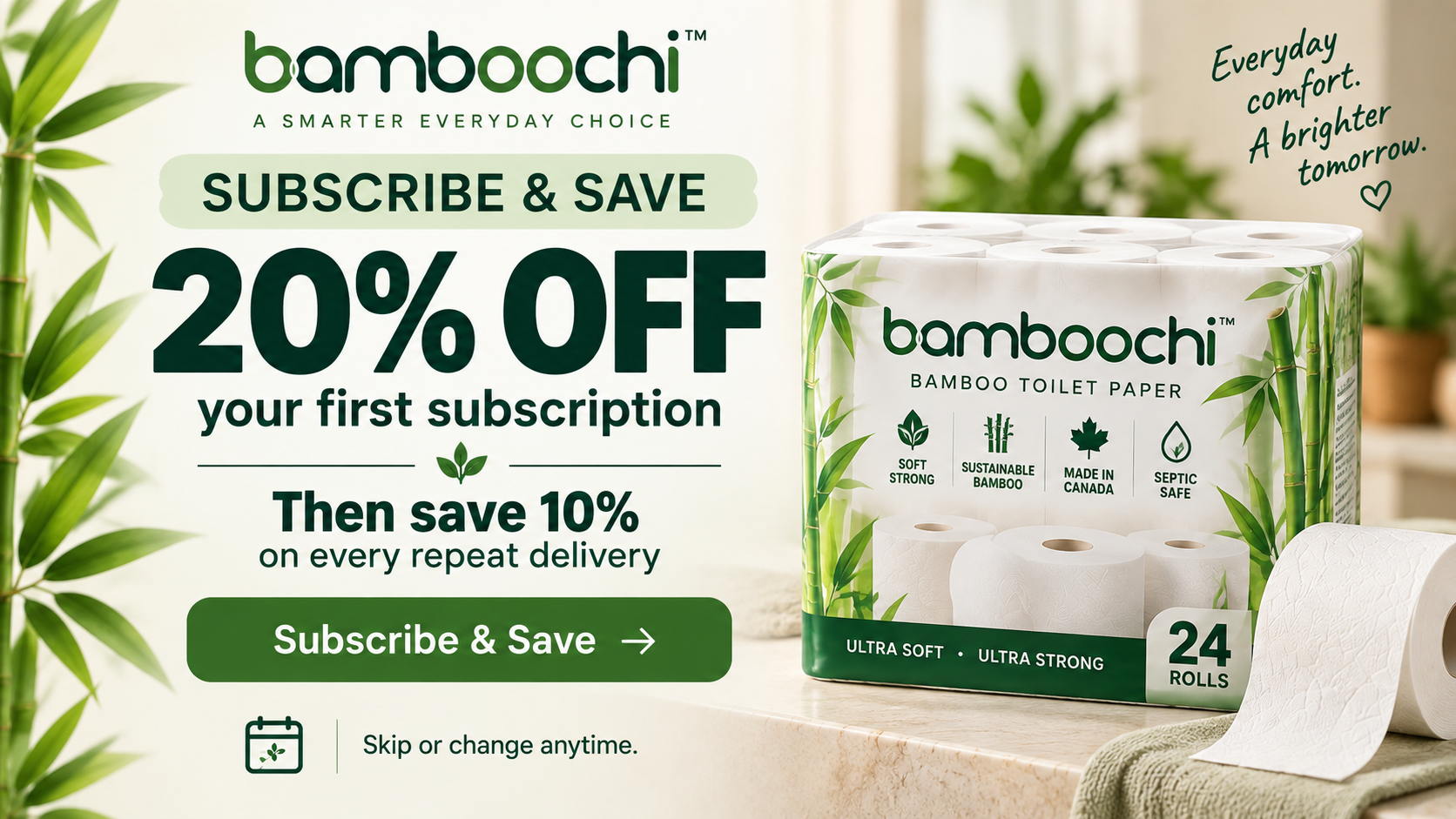
For offices, coworking spaces, multi-unit properties, gyms, and clinics, toilet paper is a necessity—often an overlooked one until you run out. With team members, tenants, or customers relying on a fully stocked washroom, managing toilet paper inventory can feel like a thankless, recurring chore. The question we hear from many Canadian businesses: Is a toilet paper subscription actually worth it?
Direct Answer: When a Toilet Paper Subscription Makes Sense for Businesses
A toilet paper subscription is typically worth it for most businesses looking to streamline operations, control costs, and avoid last-minute shortages. However, the payoff depends on three factors: the predictability of your usage, the value you place on convenience, and your ability to find a supplier whose pricing aligns with your organization’s needs. Let’s break down where subscriptions help—and where you need to look closely at the tradeoffs.
Why Businesses Consider Toilet Paper Subscriptions
- Predictable Supply: You don’t run out. Automatic deliveries mean less stress for facilities or admin staff.
- Spend Control: Subscriptions often give you locked-in pricing, so you can budget each month without worrying about sudden price hikes.
- Time Savings: No routine last-minute orders or store runs. This can translate to real cost savings, especially in smaller organizations without dedicated procurement staff.
- Waste Reduction: With right-sized orders, you’re less likely to overstock or understock, minimizing both excess and emergency purchases.
- Sustainability and Consistency: If you choose an option like Bamboochi bamboo toilet paper, you also standardize product quality (softness, septic safety, and eco-friendliness) across all locations.
Cost Factors: What Makes a Toilet Paper Subscription Worth It?
The business case for a subscription comes down to a handful of practical factors. Here’s how to evaluate:
- Unit Pricing vs. Bulk: Subscriptions from direct brands can beat retail prices—especially on sustainable products. However, if your business uses large volumes and already has access to wholesale rates, compare carefully. Subscription value increases for smaller teams or locations without procurement leverage.
- Delivery Fees and Terms: Always check freight charges. Some subscriptions (especially Canadian brands) offer free shipping above a certain quantity. If you’re remote or outside urban centres, double-check area surcharges.
- Flexibility: Can you pause, cancel, or change your frequency easily? Over-ordering = wasted money and storage headaches. The best subscriptions offer adjustable schedules to match your actual usage cycles.
- Usage Consistency: Does your office or building have a stable headcount? Subscriptions work best where week-to-week usage doesn’t fluctuate wildly. If your space hosts events or guest traffic varies, look for flexible or on-demand options.
- Brand and Product Fit: If septic safety, Canadian-made sourcing, or chemical-free comfort matter to you or your team, a subscription reinforces those standards—reducing mixing of “whatever’s on sale” between restocks.
Misconceptions About Business Toilet Paper Subscriptions
- “It’s Always More Expensive.” Not necessarily. Many business-grade subscriptions, especially from brands like Bamboochi, cut out retail middlemen and bundle in free delivery, making per-roll pricing competitive with warehouse clubs.
- “I’ll Be Locked In.” Modern subscriptions are month-to-month, with self-serve online adjustments and full cancellation at any time.
- “One Size Fits All.” Legitimate suppliers ask about headcount, restock routines, and even plumbing needs. A good fit matches your business—not the other way around.
- “It’s Only for Huge Offices.” Subscriptions also work for property managers, clinics, co-working spaces, and even boutique businesses with just a few employees—anywhere predictability matters.
What Actually Affects the Value of a Toilet Paper Subscription?
- Location and Delivery Logistics: How quickly can you restock if you run out? If your area has delayed shipping, a subscription with predictable arrival dates is vital.
- Storage Capacity: Do you have space to receive and store a month or quarter’s worth of paper? If not, choose weekly or bi-weekly options over giant single shipments.
- Washroom Traffic Patterns: Shared washrooms with variable traffic (like gyms or event spaces) experience more peaks and valleys, requiring more flexible quantities than a traditional office with stable usage.
- Brand Policy and Tenant Experience: In properties where supplying toilet paper is part of your value proposition—apartment buildings, clinics, wellness centres—reliable, eco-friendly paper supports your reputation (and tenant or customer retention).
Framework 1: Is a Subscription Worth It For Your Workplace?
If you have:
- Predictable washroom usage
- At least 5+ regular users
- Limited procurement time or staff
- No access to steep bulk pricing locally
- Then: A direct-to-business subscription like Bamboochi can lower stress, reduce costs, and standardize quality, with less time spent managing supplies.
If you have:
- Wildly fluctuating guest/tenant numbers
- Plenty of storage for warehouse purchases
- Existing bulk contract negotiations
- Then: A subscription may not always be cheaper, but can still help if predictability and service are more important than absolute lowest unit cost.
Framework 2: True Cost of “DIY” Inventory vs. Subscription
- DIY/One-Off Ordering: Includes staff time spent searching, ordering, and picking up; last-minute upcharges if shortages happen; potential product inconsistency (mixing brands/styles); and warehouse club annual fees.
- Subscription: Predictable cost per period, automated restock, consistent paper quality, no worry about week-to-week market pricing swings, occasional manufacturer incentives or perks. Consider this if you need to reassign staff time to higher-impact tasks.
Scenario 1: The Small Office with Frequent Shortages
A 12-person design firm in Toronto used to buy paper monthly from a big-box retailer. Staff scheduling errors caused a few “emergency” runs yearly—disruptive and awkward. After switching to a subscription, the office saves an hour a month in staff effort and enjoys “set it and forget it” confidence, even as the team grew to 16 over time.
Scenario 2: Multi-Unit Property Management
A building manager overseeing a pair of mixed-use properties found bulk delivery from a subscription simplified supply for all public washrooms. With regular deliveries, they didn’t need to store extra boxes on site, and could flex up or down seasonally without renegotiating a contract.
Scenario 3: Fitness Studio with Spiky Usage
An independent fitness studio in a Vancouver suburb gets sudden spikes during promotional weeks. After choosing a bi-weekly subscription with a flexible pause and reactivation option, they never “over-bought” and could still handle busy periods. The main win? No more off-brand, rough-textured emergency purchases ruining the client experience.
Common Concerns and How to Address Them
- Worried you’ll be stuck with too much? Opt for subscriptions that let you skip, pause, or adjust easily. Don’t sign annual contracts unless there’s a clear price advantage.
- Not sure if eco-friendly paper will work for your crowd? Check customer reviews and consider a mixed trial order. Brands like Bamboochi (made in Canada, dye-free, septic-safe) often win over sceptics with comfort and reliability.
- Confused about “commercial” vs. “residential” rolls? Read our guide: Residential vs Commercial Toilet Paper: What’s the Difference? for what matters in your setting.
- Worried about price per roll? Calculate cost per usable sheet (not just by roll count). Bulk packs sometimes shrink roll size to appear cheaper—especially at warehouse clubs.
FAQs: Business Toilet Paper Subscriptions
How do I estimate the right subscription frequency?
Monitor usage over two to four weeks, count average daily flushes per user, and factor in guests. Most businesses find monthly or bi-weekly deliveries match office routines. Ask your supplier for a starter formula if you’re unsure.
Do subscriptions really save money compared to one-off orders?
Often, yes—especially for sustainable brands or Canadian-made products that avoid retail markup. The bigger win, however, is often time savings on ordering and reordering, loss prevention, and consistent user experience.
What if my staff or tenants dislike the switch?
Involve them in a brief trial. Many teams appreciate softer, chemical-free paper once they try it. Highlight comfort and sustainability, but expect some personal preference—some suppliers will send mixed sample packs.
Can I pause or change my delivery schedule during slow seasons?
This is common. Most reputable subscriptions allow schedule changes or holds without penalty (especially helpful for seasonal businesses, co-working spaces, or clinics with school-year cycles).
Are there hidden fees with subscriptions?
Good suppliers are transparent—watch for delivery charges in remote regions or minimum order requirements. Ask upfront about terms and review invoices after your first cycle.
Will eco-friendly or bamboo toilet paper cause plumbing issues?
If you choose a supplier like Bamboochi, their bamboo rolls are designed to be fully septic and sewer safe—check our in-depth post on what makes toilet paper safe for plumbing to learn why.
Practical Next Steps
If you manage supplies for a workspace, rental property, clinic, or multi-use building, it’s worth auditing your toilet paper costs—not just per roll, but the staff time and stress involved. Subscriptions work best when convenience, predictable spending, and product consistency help you deliver a better tenant, staff, or client experience. Opt for brands that align with your values on comfort, chemical safety, and Canadian-made choices—like Bamboochi.
Ready to see how seamless business stocking can be? Shop Bamboochi bamboo toilet paper made in Canada and discover a subscription program that’s simple, sustainable, and genuinely hassle-free.