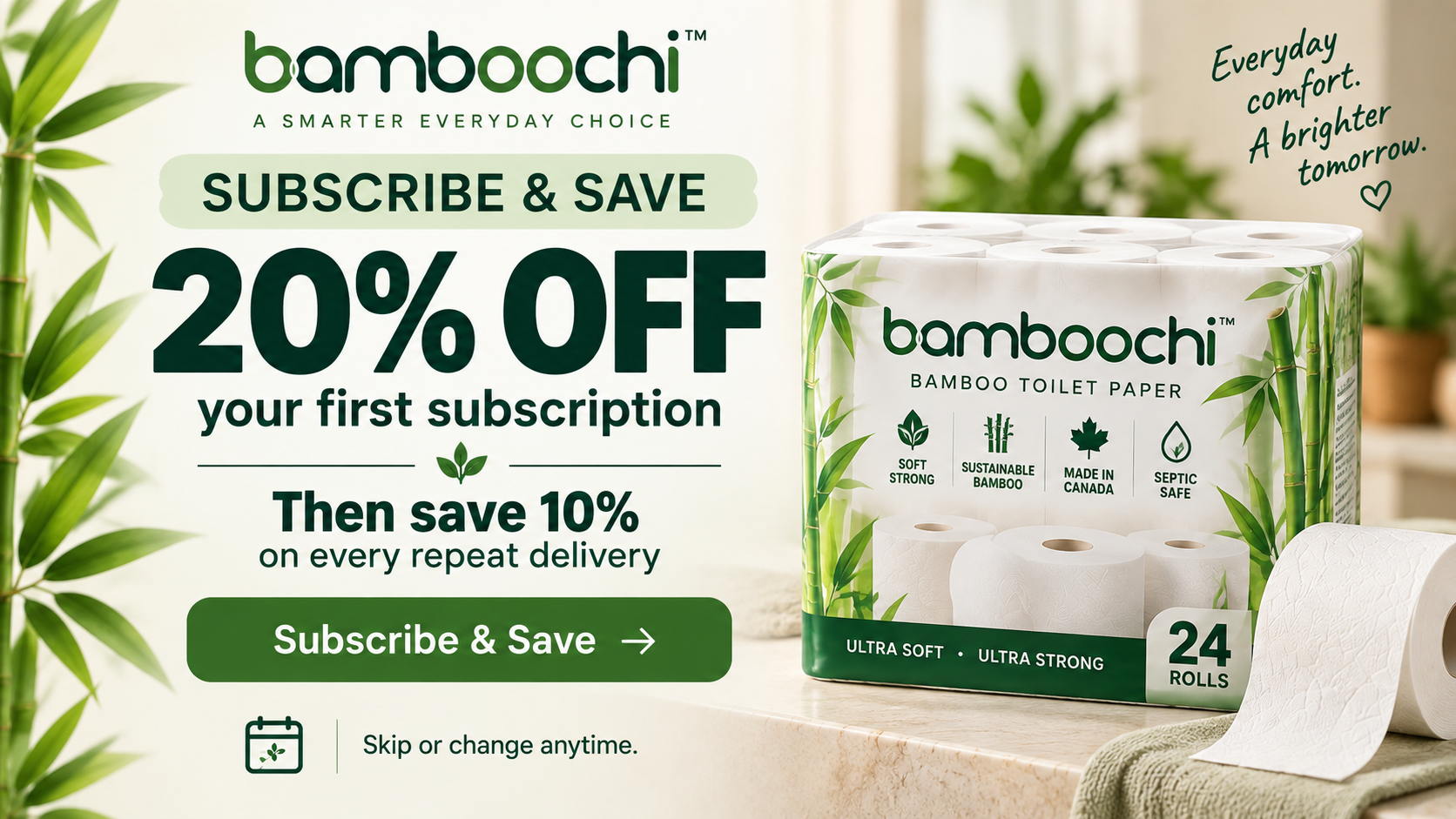
If you have a septic system, toilet paper isn’t just a comfort choice—it’s a system decision.
Some toilet paper breaks down quickly and disappears into the process. Others don’t. And over time, that difference can lead to slow drains, buildup, or more frequent tank pumping.
This guide is simple: how to choose the right toilet paper for your septic system—without overthinking it.
The Quick Answer (What Actually Matters)
Septic-safe toilet paper comes down to one thing:
How fast it breaks down in water.
That’s it.
Three things influence that:
- Fiber type: Shorter, natural fibers break apart faster
- Structure: Thinner, less dense paper dissolves easier
- Additives: Lotions and softeners slow things down
If you’re curious how your septic system handles waste overall, you can read more in how septic systems actually handle toilet paper—but for choosing paper, breakdown speed is what matters most.
A Simple Way to Test Any Toilet Paper at Home
Instead of trusting packaging, test it yourself.
The “30-Second Shake Test”
- Fill a clear jar with water
- Drop in 2–3 sheets of toilet paper
- Shake for 30 seconds
- Let it sit for a few minutes
What you’ll see:
- If it breaks into small pieces → good
- If it stays intact or clumps → not ideal
It’s a quick way to see what your septic system will deal with.
Why Your Choice Matters (Without Overcomplicating It)
You don’t need to understand every detail of a septic system to make the right choice.
Just know this:
If toilet paper doesn’t break down easily, it doesn’t move through the system as smoothly.
Over time, that can mean:
- Slower drainage
- More buildup
- More maintenance
For a deeper explanation of what happens inside the tank, see what actually happens to toilet paper in a septic tank.
Simple example:
Two households use the same system. One uses fast-dissolving paper, the other uses thick, ultra-soft paper. Months later, one has no issues. The other starts noticing slow drains. Same system—different paper.
What to Look For When Buying (Simple Checklist)
When you’re shopping, keep it simple:
- Breaks down quickly (passes the shake test)
- 1–2 ply instead of thick multi-ply
- No lotions, dyes, or added softeners
- Minimal processing
Be careful with “septic-safe” labels. They don’t always mean fast breakdown—they just meet basic standards.
Bamboo vs Regular Toilet Paper (Only What You Need to Know)
This isn’t about hype—it’s about performance.
In general:
- Bamboo toilet paper tends to break down faster due to shorter, less processed fibers
- Traditional toilet paper is often made for strength, which can slow breakdown
That doesn’t mean every bamboo option is perfect—but many are designed with faster dissolving in mind.
If you want a full comparison beyond septic performance, you can explore the benefits of bamboo toilet paper — why you should make the switch.
Common Mistakes That Lead to Problems
1. Trusting the Label Alone
“Septic-safe” doesn’t always mean “breaks down quickly.”
2. Choosing Softness Over Function
Thicker paper feels better—but often dissolves slower.
3. Using More Than Needed
Even good paper can cause issues if overused.
4. Waiting Until There’s a Problem
Most septic issues build slowly, not all at once.
These same patterns show up in smaller systems too—like RV setups. You can see examples in rv septic problems caused by toilet paper and toilet paper not dissolving in RV tanks — what’s actually causing the problem.
How to Switch Safely (No Guessing)
If you’re not sure about your current toilet paper, here’s a simple approach:
- Test what you’re using (shake test)
- Compare it with a faster-dissolving option
-
Switch and monitor:
- Drain speed
- Overall system performance
You don’t need to overhaul anything—just make a better choice moving forward.
FAQ
Is thicker toilet paper bad for septic systems?
Not always—but thicker paper tends to break down slower, which increases risk over time.
Does septic-safe toilet paper guarantee no problems?
No. It reduces risk—but usage habits and water flow still matter.
Is bamboo toilet paper better for septic systems?
Many bamboo options dissolve faster, which can make them a better fit—but it still depends on the product.
How often should I test my toilet paper?
Once when switching brands is usually enough.
Make the Safer Choice Now
Most septic problems don’t start with the system—they start with small, daily choices.
Toilet paper is one of the easiest things to get right.
Choose one that breaks down quickly, works with your system, and doesn’t create problems down the line.
If you’re ready to make a better switch, start with options designed for faster breakdown and long-term reliability.