When you’re caring for a baby or anyone with sensitive skin, seemingly small decisions—like which toilet paper to use—start to matter a lot more. Parents and caregivers are often left wondering: What is safe enough? What ingredients or textures might cause irritation? Will “gentle” toilet paper still hold up to daily life without compromise? Let’s clear away the marketing fog and focus on practical, evidence-based decisions for your household’s comfort and health.
Direct Answer: What to Prioritize When Choosing Toilet Paper for Babies and Sensitive Skin
For babies and sensitive skin, choose toilet paper that is:
- Soft, but not heavily treated—Avoid excessive “lotion” additives or artificial fragrances meant to simulate softness. Look for genuine, naturally soft fibres instead.
- Free of unnecessary chemicals—Steer clear of toilet paper made with chlorine bleach, harsh dyes, and added fragrances, which are common irritants.
- Strong yet gentle—It should clean effectively without breaking apart, but not feel rough or abrasive.
- Septic safe—For families using septic systems, ensure the toilet paper dissolves easily without lingering fibres that could cause plumbing issues.
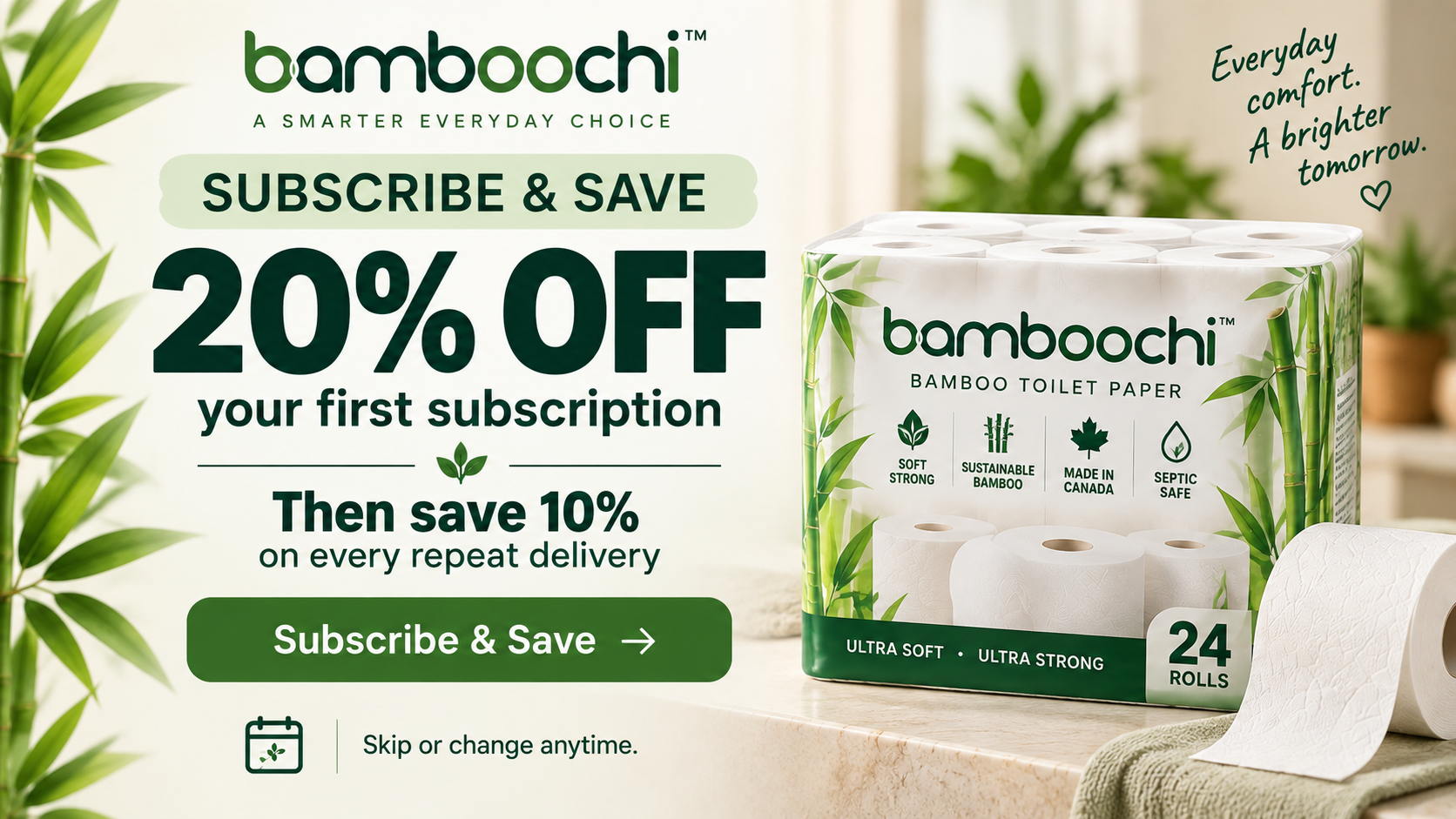
Bamboo toilet paper, like Bamboochi, stands out for naturally soft fibres, minimal chemical processing, and safe breakdown in both sewer and septic systems. This makes it a strong choice for families focused on skin health and real-world household convenience.
Understanding Sensitive Skin Needs (And Why Babies Are Different)
Babies have thinner, more delicate skin than adults—less protective oil, smaller pores, and higher absorption of chemicals. For adults with sensitive skin due to eczema, allergies, or immune sensitivities, the risk of irritation also increases. In both cases, exposure to even low levels of irritants or rough fibres can cause redness, rashes, or discomfort.
Many “regular” toilet papers use a mix of recycled content and hardwood fibres, often processed with chlorine, optical brighteners, or “fresh” scents. It’s easy to overlook these additives until you see a reaction. For babies, the first year is particularly crucial as skin builds its barrier function.
What About “Ultra Soft” or “Infant” Branded Rolls?
Labels like “ultra-soft” or “gentle” don’t always mean safer. Manufacturers can increase softness through extra mechanical treatment or add chemicals that feel smooth but may irritate over time—especially on broken or rash-prone skin. True safety comes from simplified ingredient lists and naturally smooth fibres.
Real-World Scenarios: What Works and What Doesn’t
- Scenario 1: Newborn Changing Table
Disposable wipes sometimes leave residue or exacerbate diaper rashes. Parents switching to soft, chemical-free bamboo toilet paper find less redness after cleanup—even as a backup for wipes during sensitive days. - Scenario 2: Toddlers Learning Independence
Rough or crumbly paper can cause micro-abrasions or even discourage proper hygiene. Soft, strong bamboo paper encourages gentle wiping and helps build healthy bathroom habits. - Scenario 3: Adult Eczema Flare-Ups
Many adults experience unpredictable sensitivities. Choosing fragrance-free, bamboo-based toilet paper reduces variables during skin flare periods and brings added peace of mind.
Decision Framework: How to Choose the Right Toilet Paper
Framework 1: Ingredient-First vs. Texture-First
- If your priority is avoiding all potential irritants, check for “chlorine-free,” “dye-free,” and “fragrance-free” first—then test feel and durability.
- If your main concern is comfort and texture, feel the roll and look for naturally smooth options like bamboo, but don’t compromise on the ingredient list.
Framework 2: Household Focus
- Your household includes babies, toddlers, or anyone with ongoing skin issues? Choose a single, safe option for everyone—this keeps routines simple and reduces the chance of mix-ups.
- Your household is mixed (adults plus teens/guests)? Stock a gentle option for sensitive users and a standard one for others if needed, but educate the whole family on why “extra soft” isn’t always extra safe.
Misconceptions: Clearing Up Common Myths
- “All unscented toilet paper is automatically safe for sensitive skin.”
Unscented doesn’t mean chemical-free. Many bleaches and additives have no scent, so always check for chlorine, dyes, and optical brighteners. - “Eco” toilet paper is always gentle.
“Eco” can mean recycled, which sometimes introduces roughness or trace chemical residues if not properly processed. Look for clear labelling and single-source materials when possible. - Softness = safety.
Some manufacturers rely on softening chemicals to achieve texture—these can cause as many skin issues as rough fibres.
What Actually Affects Results for Sensitive Skin?
- Fibre source: Bamboo fibres are naturally smoother and softer without demanding heavy processing. Typical hardwood or recycled fibres can be rougher unless chemically altered. Read more on fibre differences here.
- Processing method: Chlorine bleaching, dyes, and “optical whiteners” are common irritants. Go for brands transparent about their methods—if it’s not on the label, ask.
- Additives: Lotion-infused or scented rolls introduce extra ingredients that often aren’t needed for hygiene or comfort. Fewer additives usually mean fewer reactions.
- Dissolvability: Toilet paper that breaks down easily reduces residue—important for diaper cleanup and for families using septic systems. Learn more about dissolvability and septic systems.
- Packaging language: Words like “ultra soft” or “pure” can distract from the ingredient list. Always verify claims with transparent labelling.
Frequently Asked Questions
Can babies use regular toilet paper?
Most “regular” rolls contain more chemicals and rougher fibres than you’d expect. For babies, especially during early months or with diaper rash, use the gentlest, least processed option available—ideally bamboo or certified baby-safe toilet paper. When in doubt, test on a small area before routine use.
Is bamboo toilet paper really better for sensitive skin?
Bamboo’s natural fibres provide a smoother, softer feel with less need for chemical modification. Brands like Bamboochi skip chlorine bleach, dyes, and unnecessary fragrances, which leads to fewer issues for babies and anyone with sensitivities. See our comparison guide on bamboo vs. regular toilet paper.
Should I avoid recycled toilet paper for babies?
Not all recycled rolls are equal. Some introduce mixed fibres or trace chemicals that can irritate sensitive skin. If choosing recycled, look for those processed without harsh chemicals and check for third-party safety certifications.
Are lotion-infused or scented toilet papers safe?
Scented or lotion-infused papers often introduce more risk than benefit, even if they feel soft. These extras can cause skin reactions or disrupt the natural barrier, especially in babies. Fragrance-free, dye-free, and chemical-minimized options remain the safest.
How do I know if a brand is truly gentle?
Read beyond the marketing. Transparent ingredient lists, certification logos (like FSC or dermatology-tested), and direct answers to your safety questions signal a brand focused on real health—not just image.
How can I switch my family to a gentler toilet paper without complaints?
Switch gradually and provide education—explain the real reasons you’re changing and highlight the comfort benefits. Many households find bamboo toilet paper noticeably smoother and softer once they try it for a few days. For tips on managing the switch, see our guide: What to Expect When Switching to Bamboo Toilet Paper.
Ready to Choose?
If the health of your family’s most sensitive skin is your priority, the simplest path is to filter your toilet paper options by what’s not in them: no chlorine, dyes, or harsh additives—just naturally soft fibres that get the job done. Bamboo toilet paper, especially from Bamboochi, makes it easy for Canadian families to meet both comfort and safety standards, while also being sustainable and practical for real Canadian homes.
Want peace of mind every time you stock your bathroom? Shop Bamboochi bamboo toilet paper made in Canada—safe for babies, gentle for sensitive skin, smart for the whole household.Start writing here...