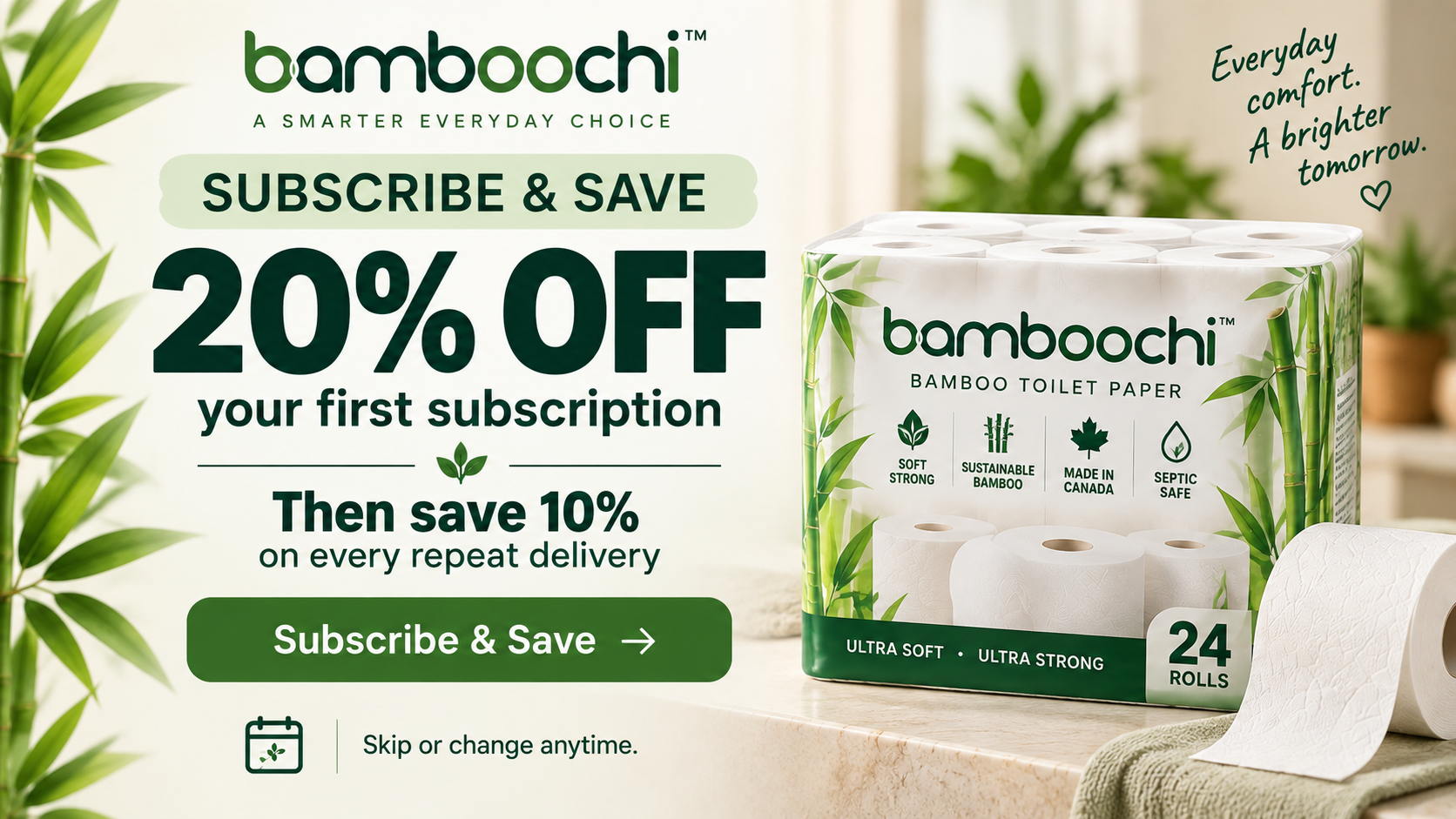
If you have sensitive skin—or live in a household where comfort and health matter—you might find yourself pausing in the toilet paper aisle, wondering: Does it really make a difference if I choose bamboo toilet paper over regular paper? Here’s a clear, direct answer up front: Yes, it can make a meaningful difference, but it comes down to a few key factors that most people don’t realize.
How Your Toilet Paper Affects Sensitive Skin
Toilet paper is often an afterthought, but for anyone prone to irritation, allergies, or dryness, the wrong choice can cause discomfort day after day. Most commercial toilet paper—what we’ll call “regular toilet paper”—is made from virgin or recycled wood pulp. It may contain added chemicals for softness, whitening, or strength, as well as fragrances, dyes, or lotions.
Bamboo toilet paper, on the other hand, is typically unbleached or processed with far fewer additives. The main difference? It’s generally softer on delicate skin—not just in texture, but also in how it avoids the extra irritants that sensitive users react to most.
Quick Comparison: Bamboo vs Regular Toilet Paper
- Bamboo Toilet Paper: Smoother fibre, minimal processing, usually free from chlorine bleach, optical brighteners, and synthetic fragrances. Less likely to contain irritants that trigger reactions.
- Regular (Wood Pulp) Toilet Paper: Can include harsher bleaching chemicals, softeners, dyes, and even formaldehyde-based binders in some brands. Often less friendly to sensitive skin.
Common Misconceptions About Bamboo and Sensitive Skin
- “Bamboo toilet paper is always rougher or stiffer.” In reality, many bamboo options feel just as soft (sometimes softer) than major grocery brands. Texture depends more on manufacturing than raw material.
- “Hypoallergenic labels mean zero irritation risk.” No product can guarantee this for every person. Sensitivity varies. Bamboo offers a lower-risk baseline by cutting out common irritants.
- “All natural products are safe.” Even plant-based fibres can cause reactions in rare cases. But bamboo’s lack of added chemicals is why it’s often recommended for those with ongoing skin discomfort.
What Actually Affects Results?
Switching toilet paper types is not a cure-all—but several factors have a genuine impact on daily comfort for sensitive skin. Here’s what’s most influential:
- Chemical Additives: Bleach, fragrances, and brighteners are common causes of irritation. Bamboo paper, like Bamboochi, skips these altogether.
- Texture and Thickness: Too rough creates micro-abrasions, while too plush can leave residue. Bamboo naturally balances softness and durability.
- Absorbency: Drier paper may require more wiping, increasing friction. Look for options that offer absorbency without bulk—the kind of balance most bamboo papers aim for.
- Residues: Conventional papermaking sometimes leaves chemical traces. Lower-residue products lessen the risk for the most reactive skin types.
If This → Then That: A Decision Framework
- If you notice burning, redness, or itching after wiping… Switch immediately to chemical-free options and monitor results. Bamboo-based rolls without added scent or bleach are a practical first step.
- If you have a diagnosed dermatological condition… Your dermatologist will likely recommend hypoallergenic products without dyes or fragrance. Bamboo is one of the few that meets this need—especially when manufactured transparently in Canada.
- If you’re concerned about both skin and plumbing safety… Bamboo options are generally more septic-safe and break down faster in the drain. This may help if you are juggling family sensitivity with rural plumbing needs.
Decision Framework: What’s Right for Your Household?
There’s no universal “best”—but these prompts can help you assess your needs:
- Do you or your kids often have redness after using regular toilet paper? If yes, it’s worth trialling a minimal-additive, bamboo-based roll like Bamboochi’s Canadian-made option.
- Are allergies or skin conditions part of your daily life? Check ingredient sourcing and opt for bamboo products claiming to be fragrance-free and unbleached.
- Is environmental impact also a decision factor? Bamboo’s sustainable harvesting and septic-safe breakdown give added peace of mind—without you needing a separate eco-only product.
Real-World Scenarios
- Young Family, Recurring Diaper Rash: A parent notices their toddler’s discomfort after toilet training. Swapping to bamboo paper stops the cycle of irritation, as fewer wipes are needed and no dyes or perfumes transfer to delicate skin.
- Working Adult with Allergies: After years of trial and error, changing to Canadian bamboo toilet paper removes an unexplained rash that flared every winter. The difference is subtle but consistent—less stinging and a gentler cleansing feel.
- Multi-Generational Home: When a grandparent moves in, everyone becomes more aware of skin comfort. Choosing a brand with clear, short ingredient lists makes daily bathroom care less of a concern—for all ages.
What Not to Overlook
- Always check for hidden ingredients—sometimes “regular” paper is rebranded as gentle, but still includes the same processing agents as standard rolls.
- If price is a concern, remember that less is often more: with softer, less irritating paper, most families use fewer sheets per visit.
- If you’re already dealing with skin issues, consider swapping all household tissue (not just in one bathroom) to reduce overall exposure.
Frequently Asked Questions
Is bamboo toilet paper always fragrance-free?
Not always—most bamboo options are unscented, but always check the label to be sure. Bamboochi’s bamboo toilet paper is fragrance-free and made in Canada, so you know exactly what you’re getting.
Does bamboo toilet paper feel different from regular toilet paper?
It can, but not always in the way you might expect. Many people find bamboo options softer, while others find the feel subtly different but easy to adjust to—especially after a week or two of use. Toughness and absorption are similar or improved in most modern bamboo brands.
Will switching to bamboo solve all skin irritation issues?
Switching reduces exposure to common irritants, but if you have severe sensitivities or allergies, combining this switch with other changes (like gentle soaps and avoiding harsh cleaning products) offers the best chance for relief.
Are there any downsides to bamboo toilet paper for sensitive skin?
Bamboo is generally well-tolerated. However, very rare bamboo allergies do exist. Test with a small amount first if you’ve never used it before and experience regular reactions to plant fibres.
How do I know if a bamboo toilet paper is truly made in Canada?
Look for transparency in branding and supplier info. Bamboochi highlights its Canadian manufacturing and ingredient sourcing so you can be confident in origin and safety.
Can bamboo toilet paper still be septic-safe?
Yes—bamboo’s quick breakdown is a major benefit for septic systems, in addition to supporting sensitive skin.
Ready to Try Bamboo Toilet Paper Made in Canada?
If reducing irritation and daily discomfort matters to you, it’s worth trying bamboo toilet paper—especially one designed with transparency and skin health in mind. Explore Bamboochi’s bamboo toilet paper made in Canada for a practical, skin-friendly switch that doesn’t compromise your standards for softness, plumbing safety, or sustainability.Start writing here...