If you’ve ever stood in the grocery aisle quietly squeezing a few toilet paper rolls, you know that not all softness is created equal—and not all brands deliver on the comfort they promise. But why do some toilet papers feel so much softer? And when you pay more, what are you really getting?
Straight Answer: It’s Not Just About Soft Fibres
Toilet paper softness is influenced by the types of fibres used, how those fibres are processed, and—often—by what’s added after the roll is made. When you think you’re paying for softness, you’re often paying for:
- More layers (plies)
- Added lotions or chemicals
- Heavier “bulked up” sheet weight
- Refined, sometimes bleached fibres
This means that a soft-feeling roll might be thicker or loaded with extra treatments, but that doesn’t always mean it’s more comfortable—or healthier for you and your household.
What Are You Really Getting When You Pay for Softness?
The word “soft” appears on so many toilet paper packages, but it’s easy to overlook what actually makes a product softer. Here’s a breakdown of what your dollars are supporting:
- Material choices: The fibre source (wood pulp vs. bamboo vs. recycled) matters. Bamboo, for instance, is naturally smoother than recycled fibres and absorbs dye and treatments differently.
- Layer count: 2-ply is now the minimum standard for most Canadian brands, but softer products are often 3-ply, adding bulk and a cushioned feel. More ply equals perceived softness, but it rarely adds meaningful comfort—just thickness.
- Chemical finishes: Some brands add lotions, fragrances, or softening agents. These can produce immediate softness but may cause skin irritation, plumbing buildup, or allergic reactions over time.
- Bleaching and refining: Commercial brands often achieve their signature softness with extra bleaching and mechanical refining, resulting in a whiter, smoother surface…but it can come with a cost to environmental and skin health.
Misconceptions: When Softness Isn’t What It Seems
- Softer isn’t always better for sensitive skin. Many soft-touch papers rely on chemical coatings that can cause irritation or leave a residue—and these aren’t always clearly labelled.
- Thicker doesn’t mean more absorbent or effective. Extra bulk is often just air between layers or added for appearance. It can lead to clogs, not comfort.
- Price and softness don’t always track. Higher costs can mean larger packages, thicker rolls, more marketing, or extra “luxury” branding. True comfort often depends on fibre quality and less processing, not more.
What Actually Affects Softness—and What Tradeoffs Matter
Before you buy, consider what actually affects how toilet paper feels for your family:
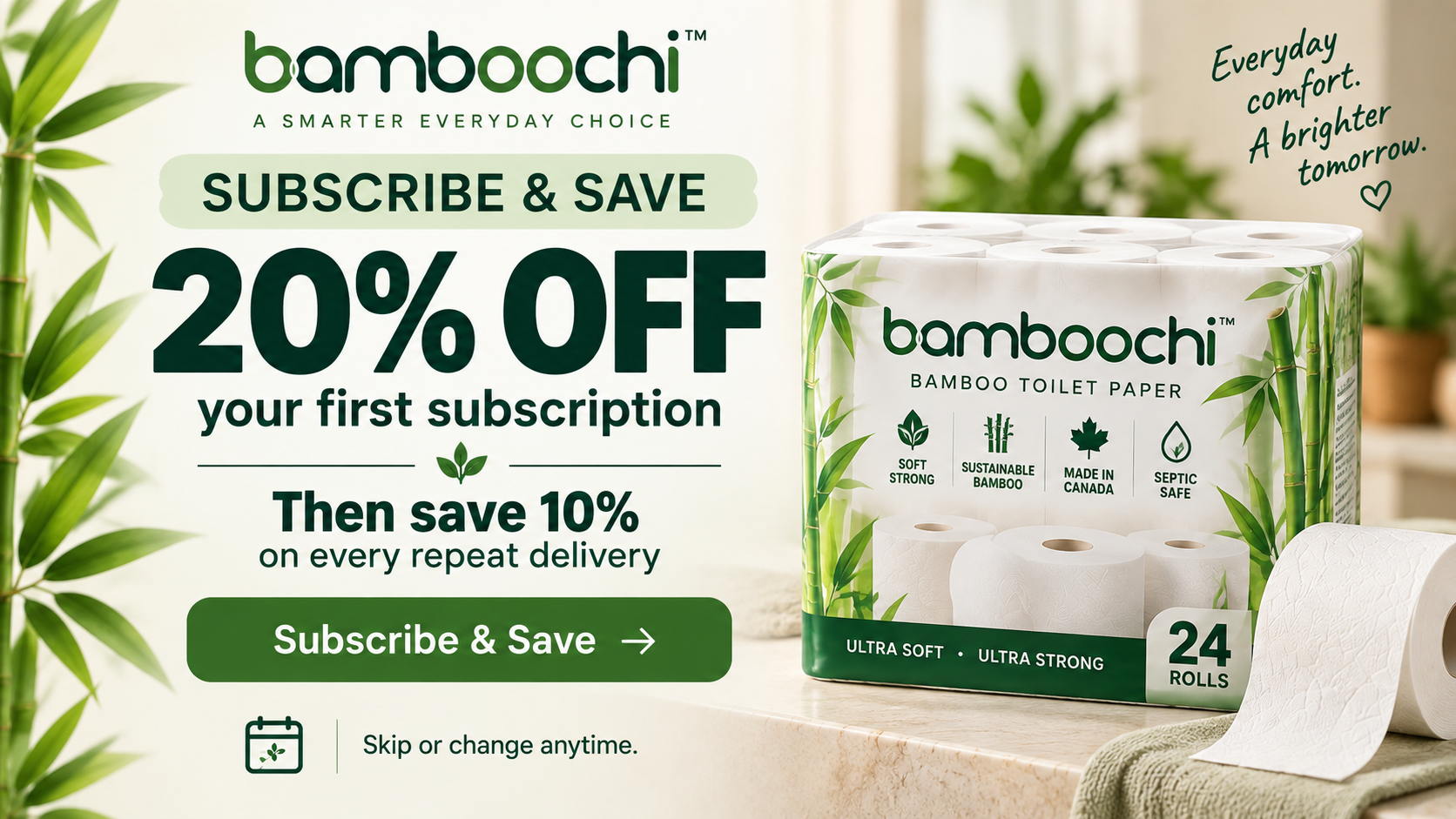
- Fibre Type: Bamboo fibres, like those used in Bamboochi rolls, are naturally smoother and don't need chemical softeners. Wood pulp from big-box brands may be rougher (especially if recycled) but is sometimes bulked up with lotions.
- Ply Count: More layers aren’t bad, but they can hide lower-quality materials. A well-designed 2-ply bamboo roll may feel softer and perform better than a bulky 3-ply conventional brand.
- Added Ingredients: Fragrance, lotion, and even extra bleach can mask rough fibres. These may feel soft at first but aren’t always great for your skin, family health, or plumbing.
- Processing: Papers that are heavily processed or treated for softness often come with environmental tradeoffs—more water, more chemicals, more energy—which doesn’t align with most eco-conscious families.
Common Scenarios: What Households Actually Notice
Scenario 1: Families with Kids or Sensitive Skin
You want softness but don’t want irritants or harsh chemicals. You notice that “extra gentle” grocery brands leave a film or don’t dissolve well, leading to minor allergies or more lint left behind. In this case, softer bamboo-based paper that's unbleached and lotion-free, like Bamboochi, tends to feel gentle and safe for repeated use—especially for young children.
Scenario 2: Busy Family Bathrooms (Frequent Use)
When everyone’s home, the main bathroom sees a lot of action. Families who reach for thick, ultra-soft conventional brands often find themselves flushing more, leading to clogged toilets or frequent plumbing calls. A softer, balanced bamboo roll offers comfort without the “bulk,” so the system runs smoothly and the rolls last as long as you expect.
Scenario 3: Small Homes or Older Plumbing
Many thicker, multi-ply “soft” toilet papers don’t break down easily. If you live in an older house, or even use a septic system, plushness is less important than dissolvability and safety. Families in this scenario quickly realize that ultra-soft sometimes means ultra-problematic—so a softer bamboo option that’s designed to break down fast is friendlier for both skin and septic.
Decision Framework: How to Choose a Soft Toilet Paper That Actually Works
- If your priority is minimal chemicals (especially for sensitive skin), then look for unscented, lotion-free bamboo toilet paper with no additional dyes or artificial softeners.
- If your household uses a lot of paper (families, frequent visitors), then prioritize a balance: soft to the touch, but not too thick or heavily layered. Check for natural fibre sources and honest marketing about true ply count.
- If you have older plumbing or a septic/sewer system, then avoid super-thick, “ultra-soft” multi-ply brands. Choose soft bamboo rolls that are proven septic-safe—like those in the Bamboochi lineup.
- If softness matters most but you don’t want ongoing irritants, then skip the heavily scented/lotioned rolls—even if they feel softer in your hand at the store.
What to Watch For (and What to Avoid)
- Avoid “soft” papers that list perfume, scent, or “moisturizer” unless you’re certain about the ingredients—and how your family’s skin reacts.
- Steer clear of extra-thick rolls if you’ve struggled with low-flow toilets, slow drains, or frequent plumbing snags.
- Watch out for brands that lean on marketing language without offering detail about their fibre source, ply structure, or added chemicals.
- Give extra credit to products made in Canada, which follow local standards and reduce the environmental impact of shipping and production—like Bamboochi’s bamboo paper.
This approach ensures you’re not just choosing softness, but household comfort, plumbing safety, and real value with every roll.
Frequently Asked Questions
Is softer toilet paper always more expensive?
Not always. Sometimes you’re paying extra for bulkier packaging, branding, or added lotions/fragrances—not truly better fibres or comfort. Check the details on the package and ingredient list.
Can “soft” toilet paper cause irritation?
Yes. Some soft papers rely on chemical softeners, lotions, or scents that can leave residue and trigger skin reactions—especially with repeated use or for young children.
Do more plies mean a softer roll?
More plies can give the illusion of softness, but actual comfort depends more on fibre type and how the product is finished. A well-made 2-ply bamboo roll can outperform a 3-ply “ultra-soft” grocery brand in real-world comfort.
Is bamboo toilet paper actually soft?
Yes, bamboo’s natural fibres are smoother and softer than recycled or unrefined wood pulps—especially when minimally processed and left free of added chemicals.
Is thicker toilet paper worse for plumbing?
Thicker, bulkier rolls—especially when they don’t break down fast—can lead to clogs and slow drains, notably in older homes or septic systems. Softer bamboo-based options dissolve more quickly and safely.
What does “lotion-free” or “fragrance-free” actually mean for toilet paper?
It means the paper contains only the base fibre, with no added softeners, scent, or chemical residues—making it safer for sensitive users and less likely to cause buildup in pipes.
The Bottom Line—Comfort, Durability, and What You’re Paying For
Softness can enhance daily comfort, but there’s a sweet spot: what feels great in your hand should also suit the actual needs of your home, from skin safety to septic performance to overall costs. Bamboo rolls made in Canada, like those from Bamboochi, offer natural softness, durability, and thoughtful production—without loaded chemicals or marketing fluff.
Your next roll should feel soft and safe for your body, your home, and your values. Want to experience comfort that works with your family and your plumbing? Shop Bamboochi bamboo toilet paper made in Canada.
Start writing here...