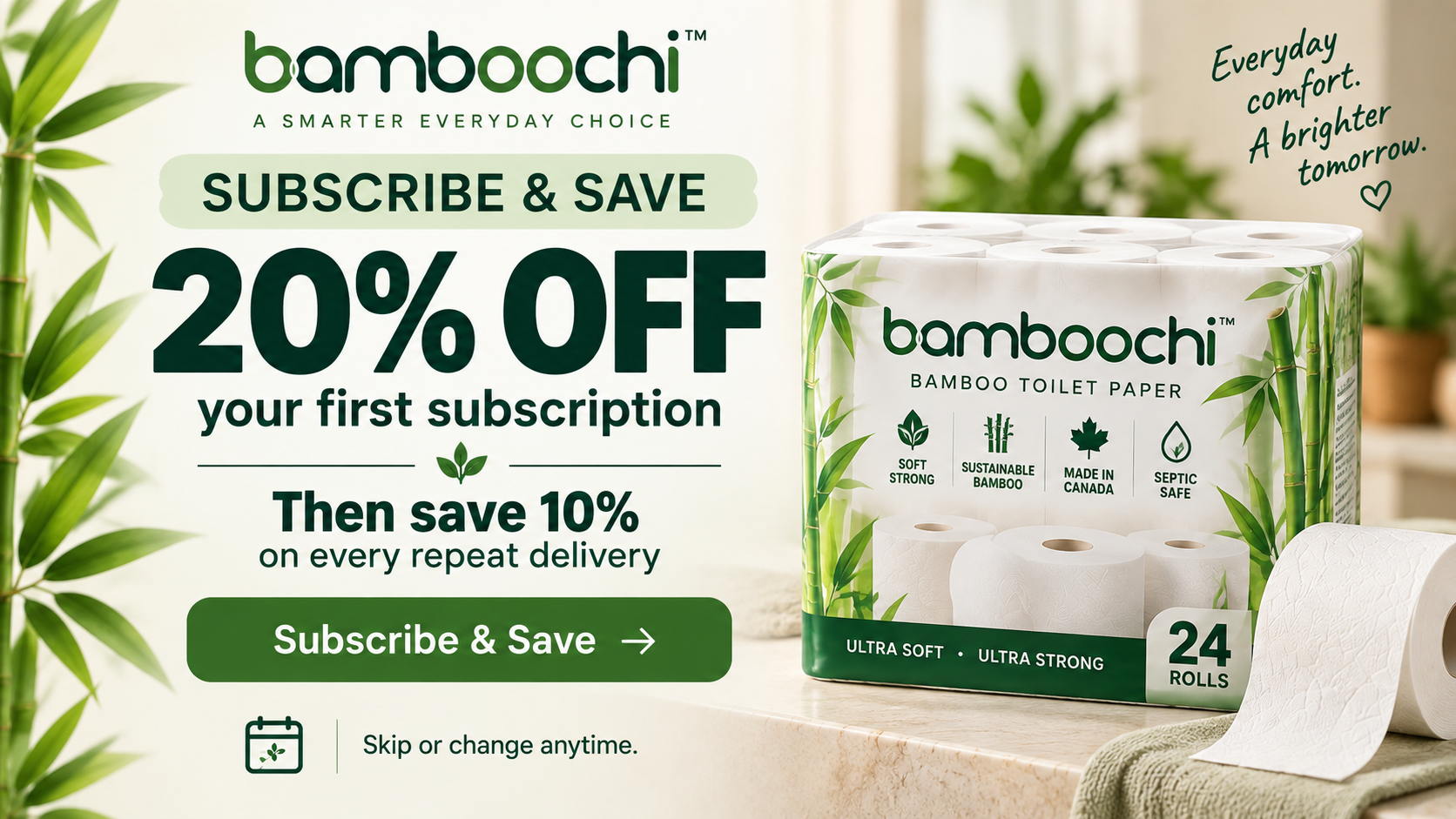
When it comes to switching to bamboo toilet paper, the first question most people ask is a simple one: is bamboo toilet paper worth the cost? For Canadian households, businesses, and property managers weighing the numbers, it’s not just about the upfront price tag. It's about value—comfort, sustainability, long-term savings, and whether it’s really as practical as advertised. Let's break down what makes the “cost” of bamboo toilet paper different from conventional options, and how to judge if it fits your real needs.
Direct Answer: The Real Value Equation
Bamboo toilet paper generally costs more per roll than standard supermarket brands. That’s the starting point, and it’s true almost everywhere in Canada. But simply looking at the sticker price misses what actually drives “worth” for your home or business. The value comes from a combination of:
- How long each roll lasts
- The effect on your plumbing or septic system
- Whether it reduces hidden costs (like repairs or skin issues)
- If it supports your values (reducing waste or supporting Canadian products)
For many, bamboo toilet paper delivers lasting benefits that offset its higher upfront cost. But the answer depends on your usage, household priorities, and how you calculate “worth” beyond just price per roll.
How to Actually Measure Value: Two Frameworks
Framework 1: Roll for Roll vs. Sheet for Sheet
Most big-box toilet paper brands play a numbers game with rolls—“double roll,” “mega roll,” endless variations. What matters more is:
- Sheet size and thickness: Many bamboo options, like Bamboochi, use sheets that are sturdy, meaning you typically use fewer per trip.
- Actual duration: Anecdotally, households find bamboo rolls may last just as long (or sometimes longer), since they’re not overusing paper for the same result.
- Real cost per use: A slightly higher-priced roll might equal or beat the big brands if you’re using less each time.
If you usually burn through big-name rolls quickly—especially in busy homes or offices—the difference in cost shrinks, sometimes disappearing when you actually track usage.
Framework 2: Upfront Cost vs. Hidden Costs
- Plumbing and septic impact: Bamboo paper breaks down easily in water, reducing the risk of clogs or costly septic callouts. One plumber visit can offset months’ worth of higher toilet paper spend.
- Allergies and irritation: Bamboo toilet paper is free from unnecessary chemicals and fragrances, which means fewer rash outbreaks, less irritation for sensitive skin, and potentially less spent on creams or medications.
- Sustainability cost: While harder to quantify, more Canadians are looking to spend where it counts for the environment—bamboo grows quickly, uses less water, and doesn’t contribute to old-growth deforestation.
When factoring in plumbing, health, and environmental impacts, paying more for bamboo can actually be the “cheaper” option in the long term—or at least a more predictable one.
What Actually Affects Cost and Value?
- Household size and usage: Larger households or businesses see bigger differences (and more potential for long-term savings or issues avoided).
- Plumbing or septic vulnerability: If you manage a cottage, RV, or older home, the risk of clogs and repairs is higher—making bamboo’s compatibility a bigger asset.
- Sensitivity needs: For families with allergies, eczema, or anyone who reacts poorly to dyes and scents, the chemical-free nature of bamboo is more than just a bonus.
- Sourcing and production: Not all bamboo paper is created equal. Canadian-made brands like Bamboochi avoid the long supply chains and quality fluctuations you might see in some imported “eco” products. Local production also shortens transit times, reducing environmental impact and supporting domestic jobs.
Common Misconceptions About Bamboo Toilet Paper Cost
- “It’s always more expensive.” While the shelf price per roll is often higher, factoring in real usage and the extras (like reduced plumbing costs) can tip the math in your favour. Many users find total monthly spend is closer than expected.
- “It’s only for eco-activists.” Most customers switch for practical plumbing, comfort, or skin health reasons, not just environmental ones. Bamboo appeals to anyone who wants fewer hassles down the line.
- “It won’t hold up for families or high-use situations.” Multiple independent tests and user reports show bamboo holds up well in regular and commercial washroom situations—less tearing and no excessive usage needed. Explore scenarios below for more detail, or read how bamboo performs in high-use households.
Real-World Scenarios: Is the Upgrade Worth It?
1. Busy Family Home
With five people, two kids under ten, and a dog-walker dropping by: standard toilet paper gets used fast, and plumbing struggles with the daily load. The family tries bamboo for a month. Result? Fewer clogs, no surprise plumber visits, and the extra few cents per bathroom trip disappear quickly once they factor in peace of mind. Rolled up, it’s as much about eliminating headaches as it is about dollars and cents.
2. Remote Cottage on Septic
Every summer, the family worries about the septic system, using “septic-safe” supermarket brands and crossed fingers. After one snarl leads to a $450 callout, they try Bamboochi. Less fear of blockages equals more actual vacation. For seasonal use, the minimal price bump is offset by lower risk and time saved—not to mention less environmental guilt, since bamboo avoids old-growth forests. Learn more about using bamboo toilet paper in RV and septic systems.
3. Commercial Office
A small tech business wants to upgrade its supplies for comfort and sustainability but needs to watch the bottom line. They switch to bamboo in both washrooms. Initial costs are slightly higher, but feedback is immediately positive: no skin irritation complaints, reduced “run out” stress, and a subtle but noticeable brand lift among staff and clients. In B2B cases, the optics of sustainability and care can matter as much as the numbers themselves.
Discover the differences between residential and commercial toilet paper.
What To Watch For: Getting Full Value from Bamboo Toilet Paper
- Check sheet count and roll size: Don’t be misled by “jumbo” claims—compare sheet for sheet and pay attention to actual duration.
- Aim for Canadian-made: Brands like Bamboochi cut supply chain waste, shorten transport, and support domestic jobs, all while ensuring consistent product quality that’s built for local plumbing and climate realities. Read about Canadian-made toilet paper options.
- Review comfort vs. chemicals: If comfort is key, check if the softness is created with chemicals or if it’s intrinsic to the raw material (bamboo fibres are naturally soft). This matters for sensitive skin and long-term health.
- Look for bulk options: Buying in larger cartons often brings down the per-roll price, closing the gap with conventional options.
FAQ: Bamboo Toilet Paper Cost & Value
Is bamboo toilet paper more expensive than regular?
Most Canadian stores price bamboo toilet paper higher per roll, but when you compare per sheet—and factor in usage, plumbing benefits, and reduced health risks—the difference may be much smaller.
Does bamboo toilet paper last as long as regular rolls?
Bamboo rolls are usually dense and strong, so you tend to use fewer sheets. In everyday use, many families find they swap rolls no more often than with the major brands.
Can using bamboo toilet paper save plumbing costs?
Yes, particularly in homes with older plumbing or septic tanks. Bamboo breaks down faster in water, reducing the risk of blockages and expensive service calls.
Is there a difference between bamboo brands?
Absolutely. Look for locally made options to avoid supply chain problems and ensure products are tested for Canadian systems. Bamboochi is made in Canada and designed for both residential and B2B use.
Is bamboo toilet paper worth it for commercial businesses?
In most cases, yes. Though there’s a small price bump, the combination of fewer complaints, better environmental optics, and plumbing reliability makes it a sensible upgrade for offices, restaurants, and facilities managers.
How can I get the best value when switching?
Compare per-sheet pricing, buy in bulk, and choose Canadian-made for reliability and true eco benefit. If you’re ready to make the switch, shop Bamboochi bamboo toilet paper made in Canada.
What’s Next?
If you’re looking to balance sustainability, comfort, and real-world practicality, bamboo toilet paper is often worth the cost—especially when you measure value beyond the shelf price. For Canadian homes and trusted businesses, switching is less about sacrifice and more about investing in fewer hassles, lower hidden costs, and products that work for your priorities.
Curious how it stacks up in your home or office? Shop Bamboochi bamboo toilet paper—made in Canada for real Canadian needs. Still weighing your options? Explore our guides on toilet paper and septic systems or safe, comfortable paper for sensitive skin.